Jump to main content

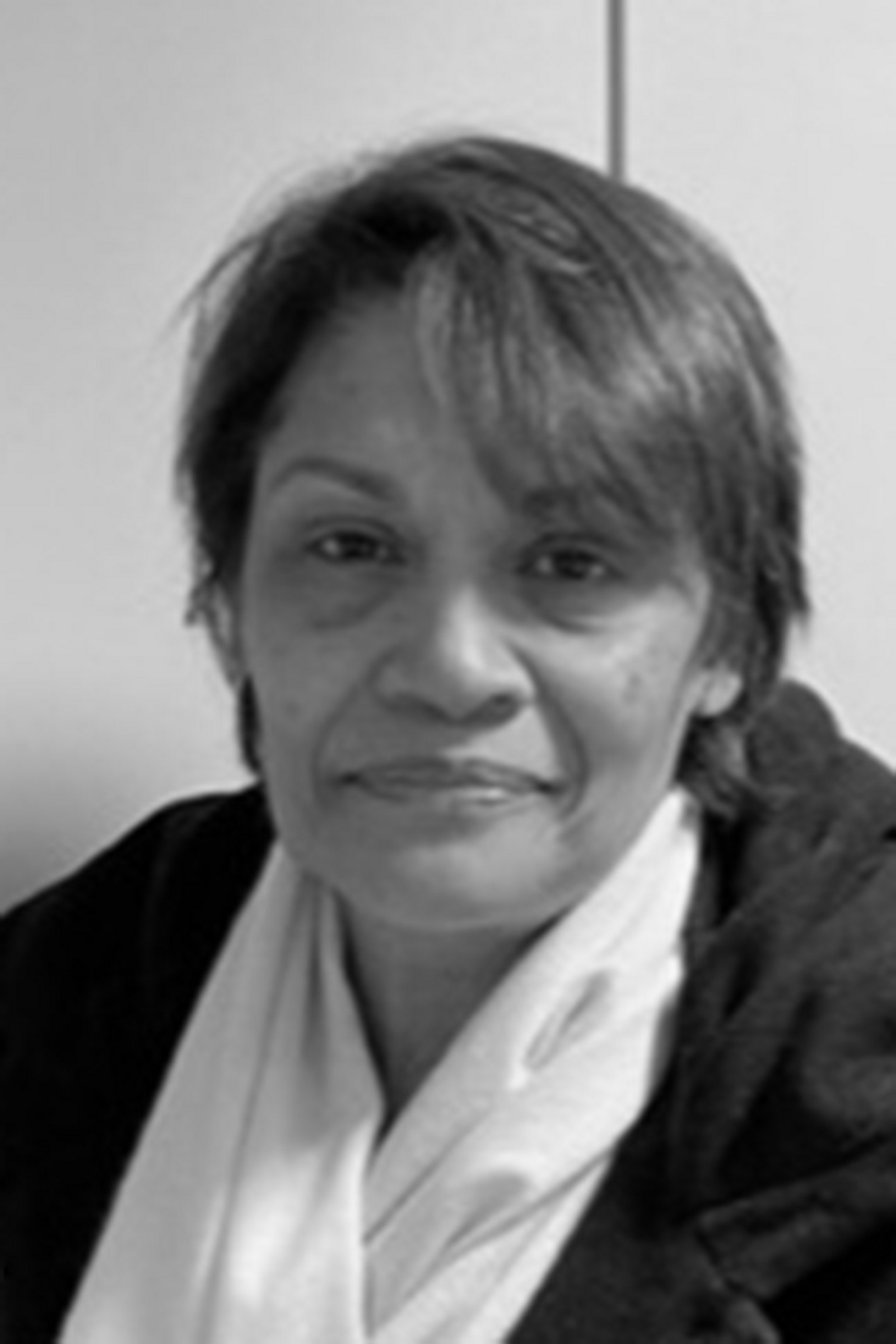
Prof. Dr. Dany Adone

English Department I

Chair of Applied English Linguistics at the University of Cologne

Co-Director Centre for Australian Studies

Philosophikum, Room: 1.108

E-mail: d.adone(at)uni-koeln(dot)de

Phone: +49 221 470 28 20

Web: https://anglistik1.phil-fak.uni-koeln.de/index.php?id=1213

Kurzbiografie

2017 - present
Co-Director of Center for Australian Studies, Cologne (CAS)

2017 - present
Director of Language Lab, University of Cologne

2006 - present
Full Professor, Linguistics, Chair of Applied Linguistics, English Department I, University of Cologne

2009 - 2011
President of the Society for Pidgin and Creole Linguistics        

 2009 - 2010
Designated Member of the Committee for Ethnic Diversity in Linguistics (Linguistic Society of America)

 2007 - 2009
President Elect of the Society for Pidgin and Creole Linguistics

 2005 - 2007
Language consultant (on sign language matters) for the Government of Mauritius

1999-2004
Researcher in General Linguistics, University of Düsseldorf

 1999-2002
Higher doctorate (Habilitation): “A Cognitive Theory of Creole Genesis”, University of Düsseldorf

1987-1990
PhD: “The Acquisition of Mauritian Creole”, University of Düsseldorf
Interessengebiete
  • Environmental Justice
  • Environment and Language (Focus on Indigenous Australia)
  • Indigenous Sign Languages in Australia
  • Language Contact (sign and spoken languages in Australia and in the Pacific)
  • First Language Acquisition (Focus on Creole languages, bilingual FLA)
Akademische Mitgliedschaften
  • University of Sydney: Associate Professor
  • Charles Darwin University: Adjunct Professor
  • University of Seychelles: Honorary Professor
  • AIATSIS, Canberra: Visiting Professor
  • Mirima Dawang Woorlab-gerring Language and Culture Centre, Kununurra, Australia: Visiting Professor

Aktuelle Forschungsprojekte

Exploring Yolngu Ethnoecology

 (with Dr. Bentley James and Dr. Elaine Maypilama)

It is well established that many Indigenous cultures manage their ecosystems using sophisticated knowledge of the biophysical environment. This knowledge is seen in everyday language. This transdisciplinary project seeks to preserve, maintain and encourage wider understanding of the ethnological knowledge practices in Yolngu project culture. In this Yolngu led po supported by a long-term partnership between non-Yolngu and Yolngu researchers we focus on environmental management practices (e.g. fire management) and address the following questions: (i) What is the link between land, language and community wellbeing?; (ii) What Yolngu ecological knowledge is embedded in plant/natural resource/place names, captured in stories and oral histories?; (iii) What are the key concepts, practices, ethics in kinship, ancestral links and land and sea country?, and (iv) What linguistic structures establish reciprocity, inter-relationship between plants, animals, spirits and kin?

Indigenous Sign Languages of Australia

(with Dr. Bentley James and the Yalu’ Marnggithinyaraw Centre, Charles Darwin University, Ranger Programmes)

Alongside the many spoken Indigenous languages, there are also several Indigenous sign languages, which remain to-date undocumented. These sign languages are in use not only by the Deaf members of these communities, but also used as an alternative to spoken languages when speech is either not possible or forbidden. This bimodal bilingual context is witnessed in many communities. Here we concentrate on Yolngu Sign Language (YSL) in three Yolngu communities in Arnhem Land. This project is a community driven and based project in which Indigenous and non-Indigenous researchers work in close collaboration.

Growing up Yolngu

(with Dr. Anne Lowell and Dr. Elaine Maypilama)

In close collaboration with Dr. E. L. Maypilama and Dr. Anne Lowell of Charles Darwin University, Prof. Adone is contributing to the “Growing up children in two worlds” project. This community-based action research project has been initiated by the Yolngu community in Northeast Arnhem Land and aims to document and share Yolngu knowledge about growing up children. Long-term goals are to identify strategies to strengthen and support the Yolngu community in their process of growing up children and to increase people’s understanding of Yolngu children’s development so assessment processes do not confuse ‘difference’ with ‘deficit’.

Aktuelle Publikationen

Dieses Element existiert derzeit noch nicht im neuen Uni-Design und wird zu einem späteren Zeitpunkt ergänzt.