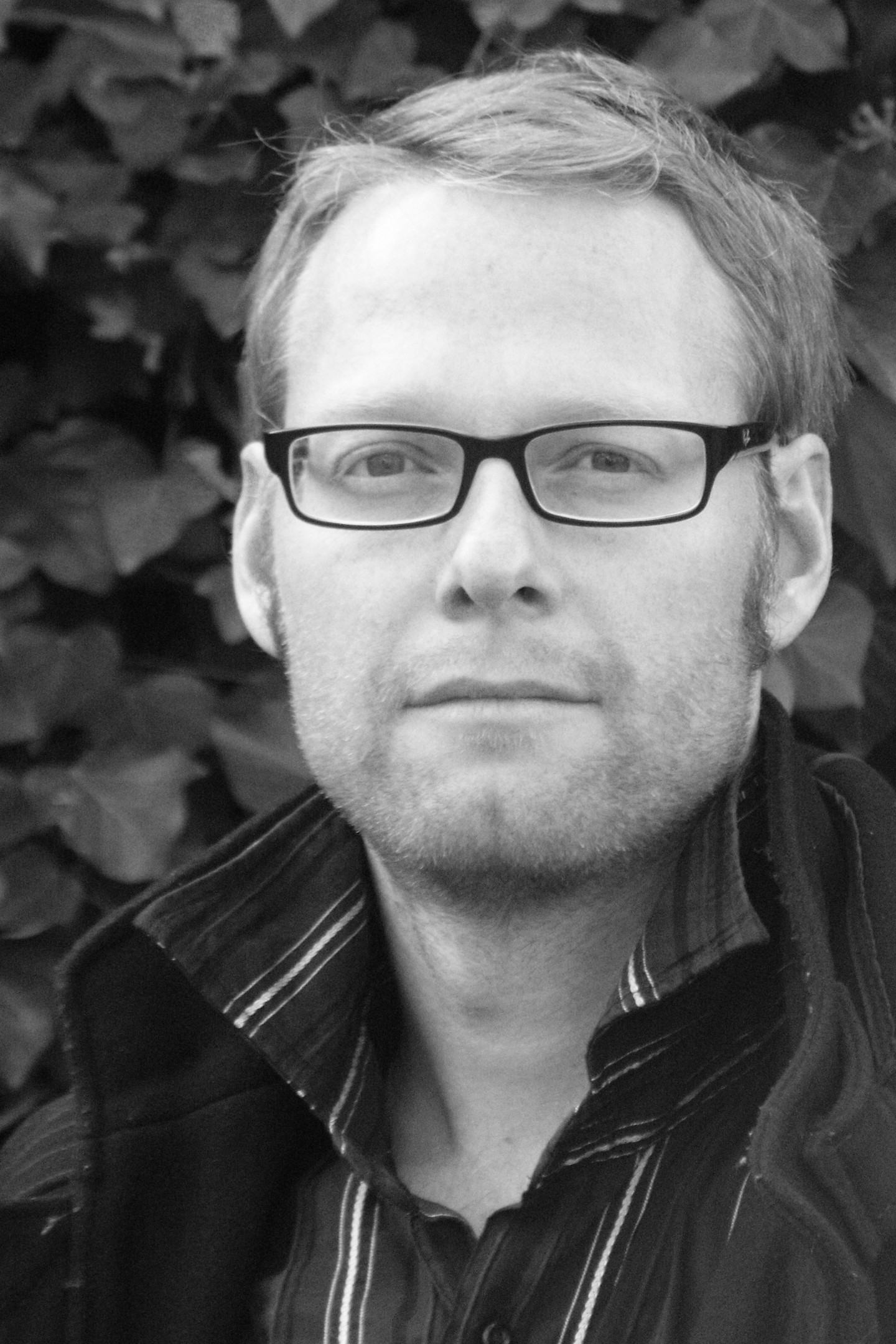
Dr. Stefan Milich
Department of Oriental Studies
Office: Kerpener Str. 30
Tel.: +49 (0)221 / 470 - 3763
Email:
Short Biography
Since 2013
Akademischer Rat at the Institute for the Languages and Cultures of the Islamicate World University of Cologne
2012 - 2013
Project manager of CrossCulture Plus (North Africa) at the Institut für Auslandsbeziehungen (ifa), Stuttgart
2012
Curator of „Arabische Literaturtage“, Frankfurter Literaturhaus
2009 - 2011
Scientific assistant (Wissenschaftlicher Mitarbeiter) at the Seminar für Arabistik und Islamwissenschaft, University Göttingen
2008 – 2009
Scientific assistant at the Centrum für Nah- und Mitteloststudien (Arabistik), University of Marburg
2008
PhD in Islamic Studies, University of Freiburg
Since 2003
Numerous translations of Arabic literary texts into German
Research Interests
- Modern and contemporary Arabic literature
- Narratives and politics of trauma
- Arabic poetry of exile and displacement (Iraq, Palestine)
- Arabic prison literature (Syria, Egypt)
- Postcolonial and decolonial studies
- Cultural heritage in the Mashriq
Current Research Projects
Trauma in contemporary Arabic literature
This research deals with literary narratives and representations that refer to psychological, social or historical traumas in the context of the modern history of Arab societies. A special interest is on narrations of transgenerational trauma asking for the intersections between family history and the larger national and regional histories. Another research focus is on novels and testimonies that narrate and document experiences of political detainment. This research also aims to critically reflect on problematic applications of (western) trauma theory in Arabic (and other area) studies. To this end, I have developed a new theoretical framework for a more systematic examination of trauma in Arabic literature that is sensitive and aware of the political and ethical implications of trauma research.
Debating the Difficult Heritage of Syria
The collaborative research project “Debating the Difficult Heritage of Syria” aims to collect diverse positions, experiences and perspectives of Syrians on their heritage, its history and present as well as possible ways of re-thinking heritage for a future Syria. An important aspect of this research is terminology: How can we name and define difficult or dark heritage sites and practices with their histories of violence and atrocities in Arabic? Which terms are most adequate to discuss und better understand such kind of heritage (turāth, irth) and the narratives surrounding it: difficult (ṣaʿb), dark (muẓlim) or negative (salbī)? Besides narrative and group interviews, informal conversations as well as analysis of reports and documents by local, national and international actors (e.g. Directorate-General for Antiquities and Museums and UNESCO) as well as human rights organizations, we will also draw from Syrian prison literature and films on imprisonment in Syria. In workshops and group conversations, these perspectives on cultural heritage will be brought into dialogue with critical theory, developed both by Arab and European theorists. Based on conversations and narrative interviews and understanding this research as collective work that co-produces relevant knowledge for society, the collaborative project reflects on the potential and pitfalls of heritage making and its philosophical, ethical and linguistic implications in the Syrian context.
A Comparative Reading of “Hayy ibn Yaqzan” (Ibn Tufail) and “Robinson Crusoe” (Daniel Defoe)
I plan to write a longer essay on the two ‘island stories’ Ḥayy ibn Yaqẓān by 12th century Andalusian philosopher Ibn Ṭufail and Daniel Defoe’s classic English novel Robinson Crusoe (1719). A number of authors (e.g. Leo Strauss) from philosophy to comparative literature have alluded to the alleged influence of the older on the younger narrative or linked both stories in one or another way (in terms of their religiosity for instance), yet to my knowledge no serious attempt has been undertaken to comprehensively read and compare both accounts from an eco-critical/decolonial perspective, as two fundamentally different ways of ‘being-in-the-world’. Central to my argument will be the concept of human nature (fiṭra) and how this concept is fleshed out in order to substantiate the respective ideal (ethical) behaviour. Taking into account notable differences between the two, reading both texts in relation to each other can provide fundamental insights into our existence as humans in a world in peril.