Research Area
Natural Commodities and Changing Markets in the Global South
The cultivation, production and sale of foodstuffs, medicinal substances and other natural products have been globally interconnected for centuries. Globalisation in this sector has long gone hand in hand with land-grabbing, price speculation and environmental change wherever the products come from. This continues to have severe implications, most of all for poor population segments who often suffer from massive impacts on their ways of life and on their health. Focusing on the period from the late 18th century to the present, the research team investigates how global flows of natural commodities affect societies, the environment and power relations.
Read more
The intensification of global flows of natural commodities (e.g. food, medicinal and aromatic substances), the increasingly contested relations between food production and consumption, and the growing politicization and medicalization linking foodways to social identities are subjects of considerable interest for a center focusing on global transformations. Changing patterns of global and urban consumption and the dynamics of agricultural production in the Global South have been mutually interdependent. They have shaped much of the interaction between continents, and between colonizers and colonized, as well as between slaves, coolies, smallholders or agro-industrial workers and globally operating companies. Ethnic, national and class identities have been shaped by the flows of natural commodities, especially food, between producers and consumers.
During the so-called Age of Discovery and the incorporation of Asia, Africa and the Americas into the sphere of European consumerism, “a deluge of new substances” (Mintz 1985) was experienced in Europe, and also in non-European societies, through the actions of colonialism, forced labour, and plantation economies (“Columbian exchange”). Nowadays such flows have become de-centered, with luxury foods being produced in the South, disseminated along South-South linkages as well as to the Global North. Food habits of various origins are being exported throughout the globe, and are closely linked to the spread of urban centers. At the same time, a thorough “supermarketization” can be observed in many parts of the Global South, in which investment capital often comes from members of transnationally operating investors. Packaged and standardized food is increasingly identified as the food of choice in urban areas of the Global South. The food patterns of the urban elite are being adapted by urban proletariats and then communicated to rural areas. A growing urban middle class in the Global South is driving comprehensive changes in food patterns. Creative urban agriculture is rising, as a livelihood strategy for the urban poor as well as a means of supplying “trend food” for the urban middle classes (Drescher and Gerold 2010, Foeken and Owur 2008).
Today, production is strongly determined by the diffusion of international product and process standards, powerful global players and dynamic but volatile markets (Dannenberg and Nduru 2013, Ouma 2010). The resulting spatial decoupling of agricultural production and consumption (Fader et al. 2013), large-scale land-grabbing (Daniel and Mittal 2009) and rising speculation on food prices (Ghosh 2009) has led to increasing food insecurity for poor populations. Nonetheless, international trade also provides opportunities for players in the Global South to benefit from globalization, e.g. through implemented Corporate Social Responsibility standards, fair trade schemes or use of ethnic labels of various kinds (Neilson and Pritchard 2010). Our core hypothesis is that farmers and producers of food in the Global South have long been, and are today ever more, situated in an environment of competition and tension, having to negotiate between local provisioning rooted in their own traditions, meeting the demands of the rising middle classes in urban areas, and producing for global markets. Each of these markets has its own, sometimes strikingly distinct quality standards, demands, business routines (conventions), consumption patterns, etc. Locally, these tensions are frequently concentrated in or around river and delta areas, tropical wetlands and coastal waters. Here, so-called agro hubs or high-intensity farming systems have been developed, where the various, diverging interests of multiple stakeholders immediately compete, partly clash. The intensification of food production in some agro-hubs goes along with processes of de-agrarization in other areas, leading to different regimes of rural-urban migration and interaction (Greiner and Sakdapolrak 2013).
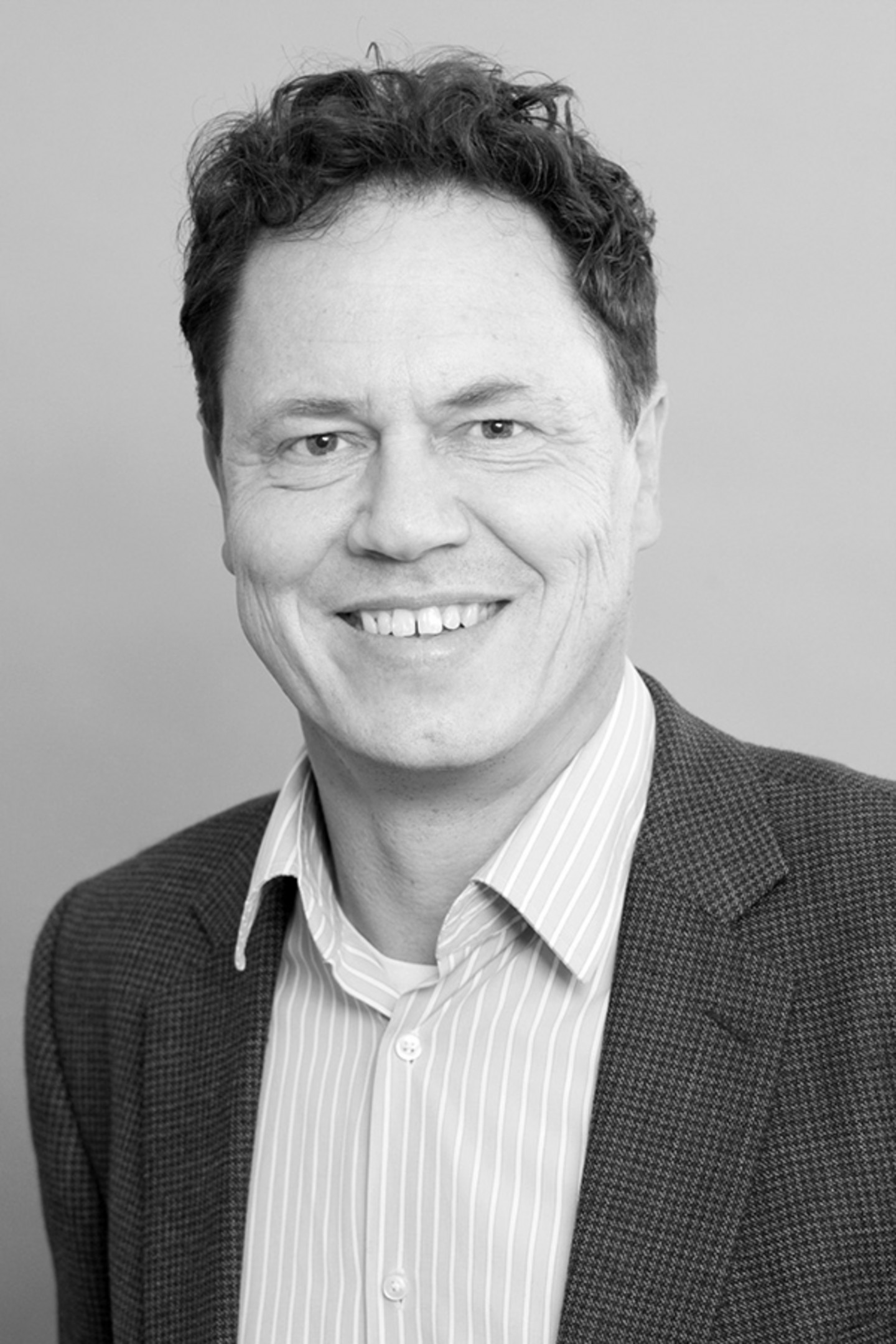
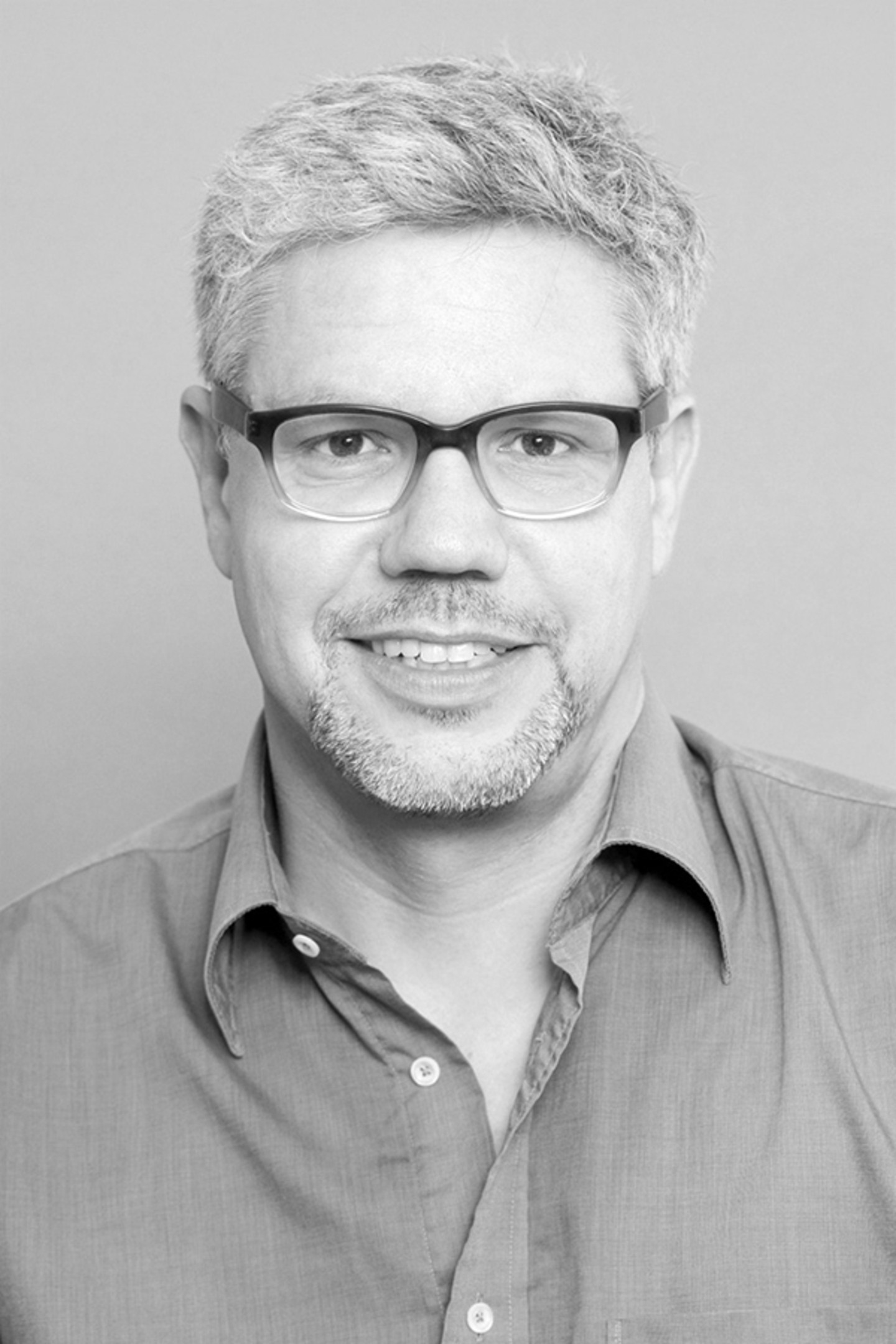
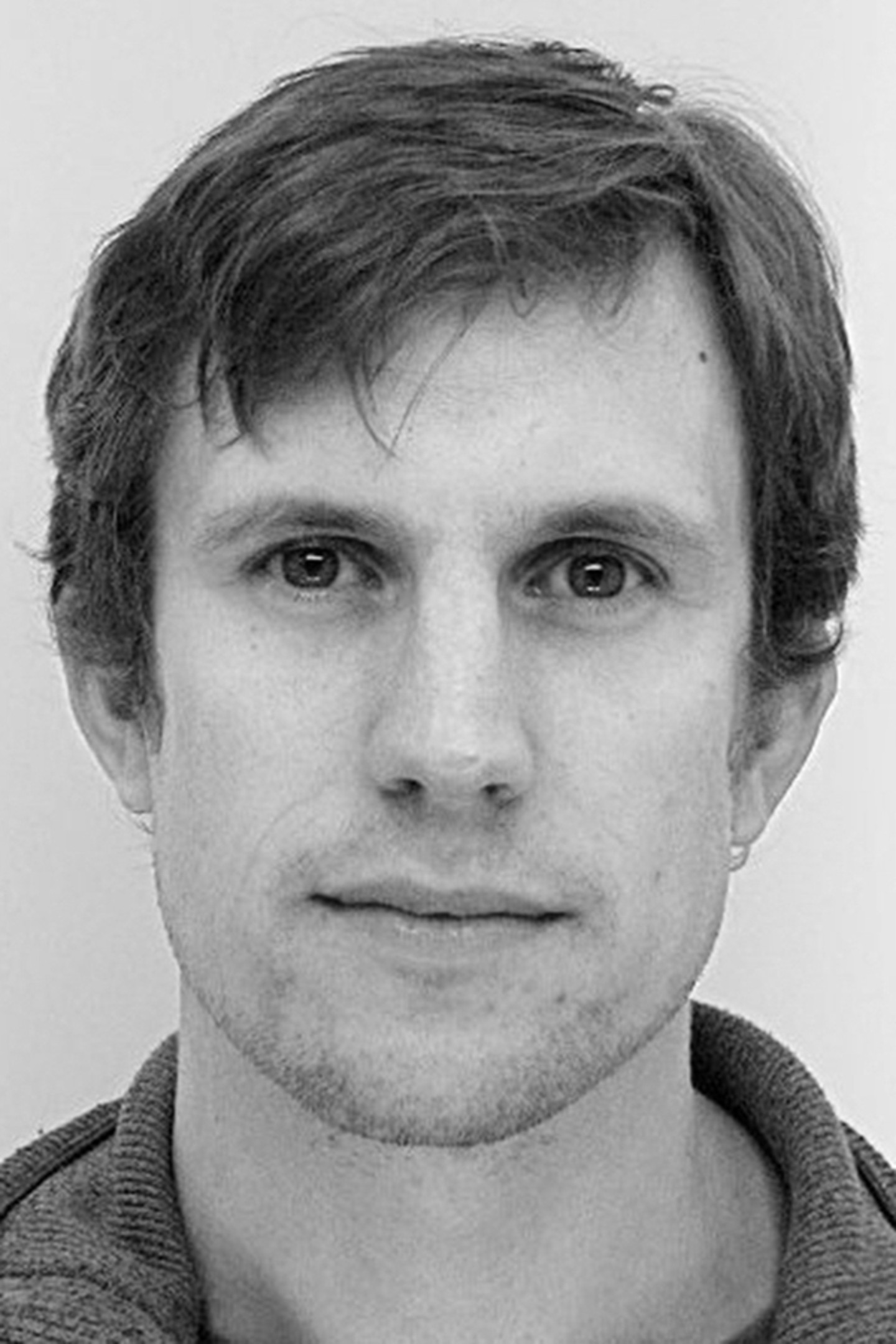
Based on these considerations, this research area studies historical and contemporary “flows” of nutritious and medicinal (aromatic etc.) substances and their impact on societies, ecologies and power relations across the world from the eighteenth century to the present. Bollig, Braun, Greiner and Kraas are studying more recent economic, social and cultural changes in the Global South. Their ongoing work focuses, for example, on issues such as food security and labour relations in agroindustrial centers (Bollig/Greiner), power relations and standards in global value/commodity chains (Braun/Bollig) and processes, strategies and path dependencies of urban agriculture (Kraas/Greiner). Stefanie Gänger’s work focuses on the identification, harvest, and distribution of cinchona, a plant-based remedy from the Andes effective against malaria, in the late eighteenth and early nineteenth centuries. The aim of the proposed research area is a comparative study on selected commodity chains of natural substances (especially food, but also medicinal and aromatic substances) and the localized processes of change they induce.
Projects
The Embeddedness of Global Value Chains – Assessing the Institutional Context of Value Chain Restructuring in the Cashew Industries of India and Ivory Coast
India, the world’s largest processor of cashew kernels, depends to a great extent on imports of raw cashew nuts (RCN), primarily sourced from Ivory Coast. While the Ivorian processing industry is still in its infancy, domestic cashew factories have increased their capacity rapidly during the last decade. Drawing on empirical research in Ivory Coast and India this project explores how the trade of RCN is organized and what this implies for economic and social upgrading prospects within the South-South link.
Department:
Economic and Social Geography
Research Area:
Natural Commodities and Changing Markets in the Global South
Period:
2015-07 to 2018-07
Person(s):
Martina Fuchs
Regional agility in the wake of crisis: Towards a new growth model in the Greater Pearl River Delta?
The main research aims are (i) to establish whether and how the agility of firms and of the region in general has been sustained amid the recent crisis and (ii) to find out what kind of post-crisis structural adjustments will affect the growth determinants in the Greater Pearl River Delta.
Region:
Asia
China
Department:
Institute for Geography
Link:
gepris.dfg.de
Research Area:
Natural Commodities and Changing Markets in the Global South
Period:
2008-02 to 2015-02
Person(s):
Frauke Kraas
Javier Revilla Diez
Location Atlas of Myanmar
Region:
Asia
Myanmar
Department:
Institute for Geography
Research Area:
Natural Commodities and Changing Markets in the Global South
Period:
2014-12 to 2015-03
Person(s):
Frauke Kraas
Megastädte: Informelle Dynamik des Globalen Wandels
Ziel des Schwerpunktprogramms ist es, den an Bedeutung gewinnenden Zusammenhang zwischen hochkomplexen, informell ablaufenden megaurbanen Prozessen und den Formen und Auswirkungen globalen Wandels auf Entwicklung und Reorganisation räumlicher, sozialer und institutioneller Beziehungen in den Megastädten zu untersuchen.
Region:
Asia
Link:
www.megacities-megachallenge.org
Research Area:
Natural Commodities and Changing Markets in the Global South
Period:
2011-03 to 2015-09
Person(s):
Frauke Kraas
Patterns of migrant community formation in China's megaurban Pearl River Delta (PRD)
The research project aims at a deepened understanding of the connection between highly complex and informal megaurban processes and the mutual forms and effects of global change as well as the reorganisation of spatial, social, and institutional relationships in the megacities.
Region:
Asia
China
Department:
Institute for Geography
Link:
gepris.dfg.de
Research Area:
Natural Commodities and Changing Markets in the Global South
Period:
2011-08 to 2015-01
Person(s):
Frauke Kraas
Konzeption, Implementierung und Evaluation einer Gesundheitsberichterstattung im urbanen Indien am Beispiel der indischen Megastadt Pune
Ziel des geplanten Forschungsvorhabens ist es, eine Gesundheitsberichterstattung in Pune zu konzeptualisieren, in drei Gebieten der Pune Metropolitan Region zu implementieren und zu evaluieren. Darauf basierend soll ein Konzept für die Gesundheitsberichterstattung für die Stadt Pune entwickelt werden, das auch auf andere indische Städte übertragen werden kann.
Region:
Asia
India
Department:
Institute for Geography
Link:
gepris.dfg.de
Research Area:
Natural Commodities and Changing Markets in the Global South
Period:
2012-09 to 2015-03
Person(s):
Frauke Kraas
Carsten Butsch
Das Städtesystem von Myanmar im Transformationsprozess: Sozio-ökonomische Bestandsanalyse der Städte Myanmars
Ziel des Forschungsvorhabens ist es, erstmals eine vergleichende Bestandsanalyse des aktuellen sozio-ökonomischen Entwicklungsstands der 35 größten Städte Myanmars durchzuführen.
Region:
Asia
Myanmar
Department:
Institute for Geography
Link:
gepris.dfg.de
Research Area:
Natural Commodities and Changing Markets in the Global South
Period:
2012-02 to 2015-07
Person(s):
Frauke Kraas
Wirtschaftsgeographische Potentialanalyse ausgewählter Regionalstädte in Myanmar
Region:
Asia
Myanmar
Department:
Institute for Geography
Research Area:
Natural Commodities and Changing Markets in the Global South
Period:
2013-03 to 2015-06
Person(s):
Frauke Kraas
Changing gender roles in Sub-Saharan horticultural family farming
Region:
Africa
Department:
Institute for Geography
Research Area:
Natural Commodities and Changing Markets in the Global South
Period:
2013-01
Person(s):
Peter Dannenberg
Re-Islamisation between state influences and gobal muslim networks
The project deals with the actors of re-Islamisation, their involvement in translocal networks, their aims and activities and their relation to the state.
Region:
Asia
Department:
Institute for Geography
Link:
www.geographie.uni-koeln.de
Research Area:
Natural Commodities and Changing Markets in the Global South
Period:
2011-01 to 2015-12
Person(s):
Boris Braun
Human Mobilitiy, Networks and Institutions in the Management of Natural Resources in Contemporary Africa
The first phase of the project investigated the relationship between mobility and the management of natural resources in African savannah environments as a result of processes of globalization, commoditization and rural impoverishment that lead to an increasing flow of people, ideas and capital.
Region:
Africa
Department:
Department of Cultural and Social Anthropology
Link:
portal.volkswagenstiftung.de
Research Area:
Natural Commodities and Changing Markets in the Global South
Period:
2008-01 to 2014-12
Person(s):
Michael Bollig
Adaptation and Creativity in Africa – Technologies and Significations in the Production of Order and Disorder
The DFG Priority Programme (SPP) 1448 investigates the on‐going challenges prompted by accelerated processes of globalization influencing current institutional transformations in Africa. In particular the SPP examines creative adaptations that enact specific forms of institutional (dis)order.
Region:
Africa
Department:
Department of Cultural and Social Anthropology
Link:
www.spp1448.de
Research Area:
Natural Commodities and Changing Markets in the Global South
Period:
2010-01 to 2015-12
Person(s):
Michael Bollig
Resilience, Collapse and Reorganisation in the Social-Ecological Systems of Southern and Eastern African Savannahs
In der interdisziplinären Forschergruppe sollen an ausgewählten Standorten Kenias und Südafrikas Umbruchprozesse in sozial-ökologischen Systemen untersucht werden.
Region:
Africa
Department:
Department of Cultural and Social Anthropology
Link:
gepris.dfg.de
Research Area:
Natural Commodities and Changing Markets in the Global South
Period:
2010-01 to 2016-12
Person(s):
Michael Bollig
Gateway Cities und ihr Hinterland: Weltstädte des Globalen Südens als Knoten in globalen Güterketten
Die Rolle von Gateway Cities und insbesondere ihr Verhältnis zum Hinterland können mittels Kausalmechanismen erfasst werden, die sich auf unabhängige Variablen stützen, die der Weltentwicklungsbericht 2009 anschaulich als Density, Distance und Division zusammenfasst. Wie beeinflussen Density, Distance und Division (unabhängige Variablen) das globale Verknüpfen der Peripherie der Weltwirtschaft (abhängige Variable) durch Gateway Cities im Globalen Süden?
Department:
Institute for Geography
Link:
gepris.dfg.de
Research Area:
Natural Commodities and Changing Markets in the Global South
Period:
2015-01 to 2018-12
Person(s):
Javier Revilla Diez
(Disasters Jakarta) Die ersten 72 Stunden überleben – Megaurbane disaster response in Zeiträumen begrenzter Staatlichkeit
Das Forschungsprojekt verfolgt das Ziel, die Rolle des informellen Agierens in den kritischen ersten 72 Stunden der disaster response tiefergehend zu verstehen und somit greifbarer zu machen für die Theoriebildung des (internationalen) disaster managements sowie der risiko- und katastrophenbezogenen Governance.
Region:
Asia
Department:
Institute for Geography
Link:
gepris.dfg.de
Research Area:
Natural Commodities and Changing Markets in the Global South
Period:
2013-01 to 2015-12
Person(s):
Frauke Kraas
(Urban Heritage Delhi) Städtisches Kulturerbe und Cultural Governance in der südasiatischen Megastadt Delhi/Indien
Das Forschungsprojekt soll am Beispiel von Delhi/Indien untersuchen, welche Chancen und Potentiale eine Integration von städtischem Kulturerbe in die zukünftige Stadtentwicklung der Megastadt bietet.
Region:
Asia
Department:
Institute for Geography
Link:
gepris.dfg.de
Research Area:
Natural Commodities and Changing Markets in the Global South
Period:
2013-01 to 2015-12
Person(s):
Frauke Kraas
Urbanes Kulturerbe von Yangon/Myanmar: Aushandlungsprozesse im Transformationsprozess
Ziel des Forschungsvorhabens ist es, für die historische Altstadt von Yangon zu untersuchen, welche Einflussfaktoren und Akteure die Wahrnehmung, Konzeption und Integration urbanen Kulturerbes in die aktuelle Stadtentwicklung von Yangon verändern.
Region:
Asia
Department:
Institute for Geography
Link:
gepris.dfg.de
Research Area:
Natural Commodities and Changing Markets in the Global South
Period:
2013-01 to 2015-12
Person(s):
Frauke Kraas
Translocal relations and the reorganization of socio-ecological systems in Kenya and South Africa
Zentrales Anliegen des beantragten Projekts B4 ist es, die Auswirkungen von Migration auf sozial-ökologische Systeme in den Herkunftsregionen der Migranten zu analysieren.
Region:
Africa
Department:
Department of Cultural and Social Anthropology
Link:
gepris.dfg.de
Research Area:
Natural Commodities and Changing Markets in the Global South
Period:
2013-01 to 2016-12
Person(s):
Clemens Greiner
Globale Strategien und lokale Formen der technischen Aus- und Fortbildung in deutschen multinationalen Unternehmen
Im Mittelpunkt des Vorhabens steht die Frage, wie multinationale Unternehmen mit Stammsitz in Deutschland die Aus- und Fortbildung in ihren Tochterbetrieben im Kontext lokaler Arrangements in Emerging Economies gestalten.
Department: Economic and Social Geography
Link: gepris.dfg.de
Research Area: Natural Commodities and Changing Markets in the Global South
Period: 2015-01
Person(s): Martina Fuchs
Deutungsmuster von Führungskräften bei Übernahmen und Beteiligungen durch ausländische Investoren, speziell Investoren aus China und Indien
In diesem Vorhaben wird das Konzept der Deutungsmuster als Erweiterung der wirtschaftsgeographischen Perspektive auf Wissen vorgeschlagen.
Region:
Asia
Department:
Economic and Social Geography
Link:
gepris.dfg.de
Research Area:
Natural Commodities and Changing Markets in the Global South
Period:
2013-01 to 2016-12
Person(s):
Martina Fuchs
Information and communication technology in small scale business based agricultural value chains
Ziel der vorgesehenen Untersuchung ist es zu untersuchen und zu erklären, inwieweit die Verbreitung von Mobiltelefonen, Internet und weiteren IKT-Lösungen die Organisation und Koordination kommerzieller kenianischer und tansanischer Gartenbauwertschöpfungsketten beeinflusst.
Region:
Africa
Kenya
Department:
Institute for Geography
Link:
gepris.dfg.de
Research Area:
Natural Commodities and Changing Markets in the Global South
Period:
2014-01 to 2016-12
Person(s):
Peter Dannenberg
ValueSEC Value Chain Development for Food Security in the Context of Climate Change – A contribution to strengthening capacity in higher education in Eastern Africa
The ValueSeC Project seeks to improve higher education in the field of natural resource management and value chains in the context of climate change. The partner universities cooperate to foster locally relevant research and higher education in the East African region.
Region:
Africa
Department:
Institute for Geography
Link:
www.agrar.hu-berlin.de
Research Area:
Natural Commodities and Changing Markets in the Global South
Period:
2013-01 to 2016-12
Person(s):
Peter Dannenberg
Transnationales Handeln indischer Migranten in Deutschland
Im Zentrum des Erkenntnisinteresses stehen die Veränderungsprozesse, die an unterschiedlichen Orten durch das transnationale Handeln indischer Migranten ausgelöst werden.
Region:
Europe
Department:
Institute for Geography
Link:
gepris.dfg.de
Research Area:
Natural Commodities and Changing Markets in the Global South
Period:
2015-01 to 2017-12
Person(s):
Carsten Butsch
Economic and social drivers of land use change in coastal Bangladesh
Region:
Asia
Department:
Institute for Geography
Link:
www.geographie.uni-koeln.de
Research Area:
Natural Commodities and Changing Markets in the Global South
Period:
2013-01
Person(s):
Boris Braun
Amelie Bernzen
REAL – Resilience and Adaptation in East African Landscape
Region:
Africa
Department:
Department of Cultural and Social Anthropology
Link:
www.real-project.eu
Research Area:
Natural Commodities and Changing Markets in the Global South
Period:
2013-01 to 2017-12
Person(s):
Michael Bollig
Anthropological Models: A Reconstruction of the First African Frontier
This project explores anthropological models of hunter-gatherer social dynamics and seeks to relate these models to the theoretical idea of a frontier, which means explaining forms of social organisation as the outcome of a condition of gradual expansion, and conversely this expansion as the result of specific social dynamics.
Region:
Africa
Department:
Department of Cultural and Social Anthropology
Institute for African Studies and Egyptology
Competence Area IV
Link:
www.sfb806.uni-koeln.de
Research Area:
Natural Commodities and Changing Markets in the Global South
Communicative Repertoires in the Transforming Global South
Period:
2013-01 to 2018-12
Person(s):
Michael Bollig
Thomas Widlok
GlobE »Wetlands in East Africa – Reconciling future food production with environmental protection«
The project focuses on the sustainable use of wetlands in East Africa, aiming at increasing food production and security while minimizing negative effects on the environment
Region:
Africa
Department:
Department of Cultural and Social Anthropology
Link:
www.lap.uni-bonn.de
Research Area:
Natural Commodities and Changing Markets in the Global South
Period:
2013-01 to 2016-12
Person(s):
Clemens Greiner